FemBalance Blog — Health Knowledge for Women 35+

Oestrogen Dominance: How to Recognise the Signs
Breast tenderness, fluid retention, PMS that gets worse every month. Which signs point to oestrogen dominance and why a cycle diary shows more than any test.


Hormonal Imbalance in Women: How to Spot the Signs
Lighter sleep, louder PMS, shorter patience: each is easy to explain away. The four causes behind the pattern and why a single hormone value rarely helps.

How Long Does Perimenopause Last? Phases and Timeline
Four years, seven, more than ten: the answers contradict each other because they measure different things. The STRAW+10 stages and how to tell where you are.

Vitamin D Deficiency in Women: Symptoms and Levels
Tired, heavy muscles, one infection too many over winter: how to recognise a low vitamin D level, where deficiency actually begins and what vitamin D can realistically do.

Thyroid Levels in Women: Chart and Interpretation
TSH in range and still exhausted? Which values get measured, which ranges count as typical, and what the combination of TSH, fT4 and antibodies really tells you.

Which Blood Tests Women Over 40 Should Get
A sensible baseline panel instead of a forty-value package. Which values actually tell you something after 40, why hormone testing usually does not, and how to read your results.

Word-Finding Difficulties in Menopause — Causes & Help
Mid-sentence, the word is gone. Why fluctuating oestrogen slows language retrieval, what the SWAN study shows, and how to tell when it needs checking.

Inner Restlessness in Menopause — Causes & Help
Tense on the inside while nothing is happening outside. Why progesterone and allopregnanolone are behind it, why evenings feel worst, and what calms your nervous system.

Heart Palpitations in Menopause — Causes & Help
The heart stumbles, pounds, races — often out of nowhere. Why it happens in perimenopause, when it's harmless, and what actually calms your nervous system.

Hot Flashes in Menopause — What Actually Helps
Sudden heat that comes from within. Why it starts in the brain's temperature centre, what makes it worse at night, and which remedies actually help — honestly explained.

Joint Pain in Perimenopause: Causes & What Helps
Stiff fingers, aching knees, tender shoulders — joint pain is a common sign of perimenopause. Why low oestrogen is behind it, how to tell it from arthritis, and what actually helps.

Oestrogen vs. Progesterone: What Each Hormone Actually Does
Sleep, mood, energy, weight, your cycle — what oestrogen and progesterone each actually do, and how they shift once you're past your mid-30s.

Cortisol vs. Perimenopause: How to Tell the Difference
Sleep problems, fatigue, weight gain or brain fog — many symptoms can stem from chronic stress just as easily as from perimenopause. Why most women are dealing with both at once.

Ferritin Levels in Women: Why "Normal" Can Still Be Too Low
Ferritin within the reference range — yet exhausted, losing hair, unable to concentrate. Why the lab normal range is often set too low and which values are frequently linked to symptoms.
Brain Fog in Perimenopause: Why Concentration, Focus and Memory Suddenly Change
The word is gone, the thought has vanished — brain fog in perimenopause has a biological explanation. What's happening hormonally and which measures actually help.

Morning Routine for Women — Simple, Healthy and Practical
Why the first 30 minutes after waking matter more hormonally than most women realise — and what a routine looks like that actually works in real life.

Why Protein Matters More Than Calorie Counting for Women Over 40
Declining oestrogen changes how the body uses protein. Why muscle mass, metabolism and satiety all depend on getting enough — and how to do it in practice.

Why You Suddenly Wake Up at Night — The Role of Hormones, Cortisol and Blood Sugar
Waking between 2 and 4 am follows a physiological logic. What progesterone, cortisol and blood sugar have to do with it — and what concretely helps.
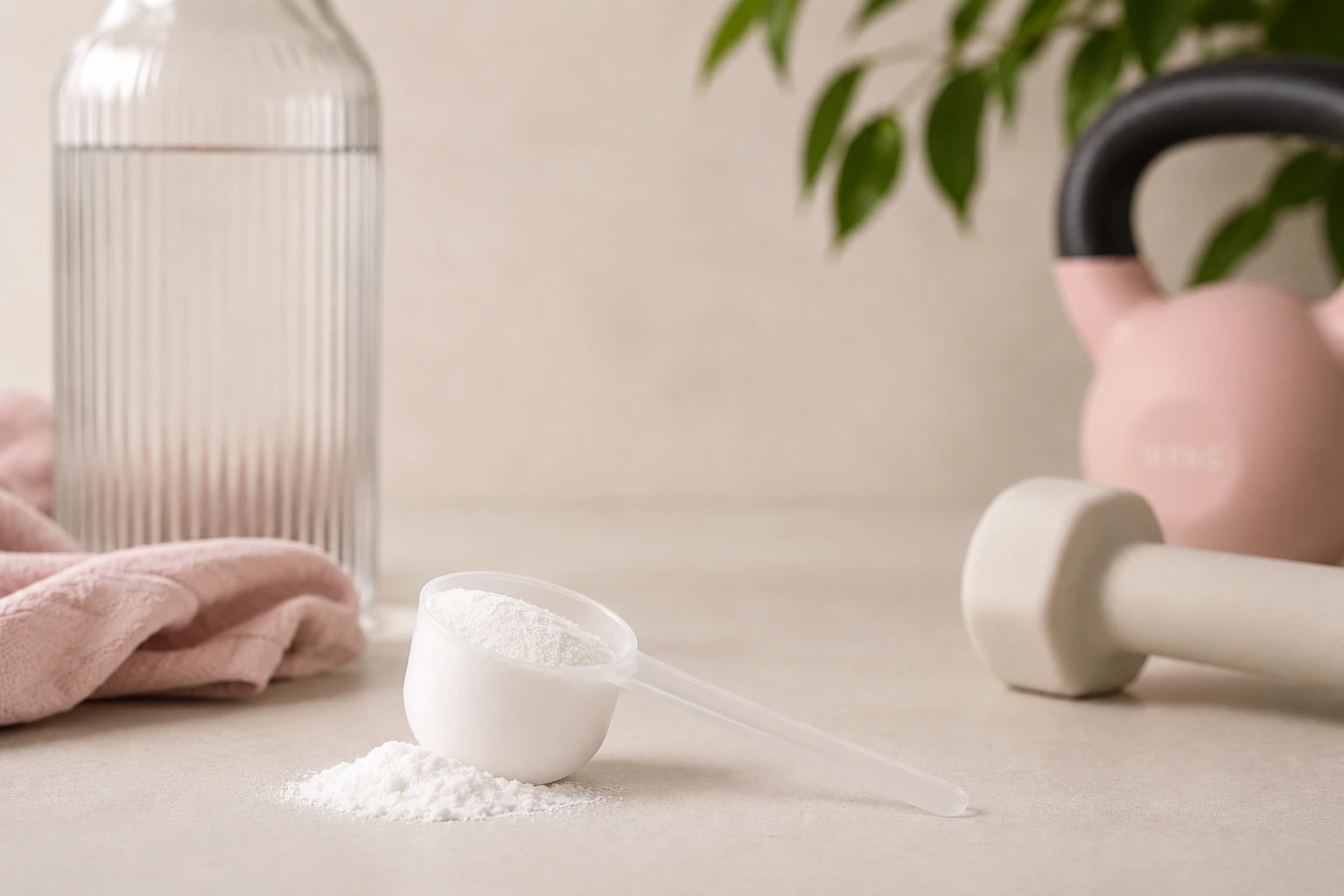
Understanding Creatine — An Underestimated Building Block for Energy, Strength and Healthy Ageing
Why creatine is not just relevant for men at the gym — and what declining oestrogen does to your body's creatine system. With a concrete dosage recommendation.
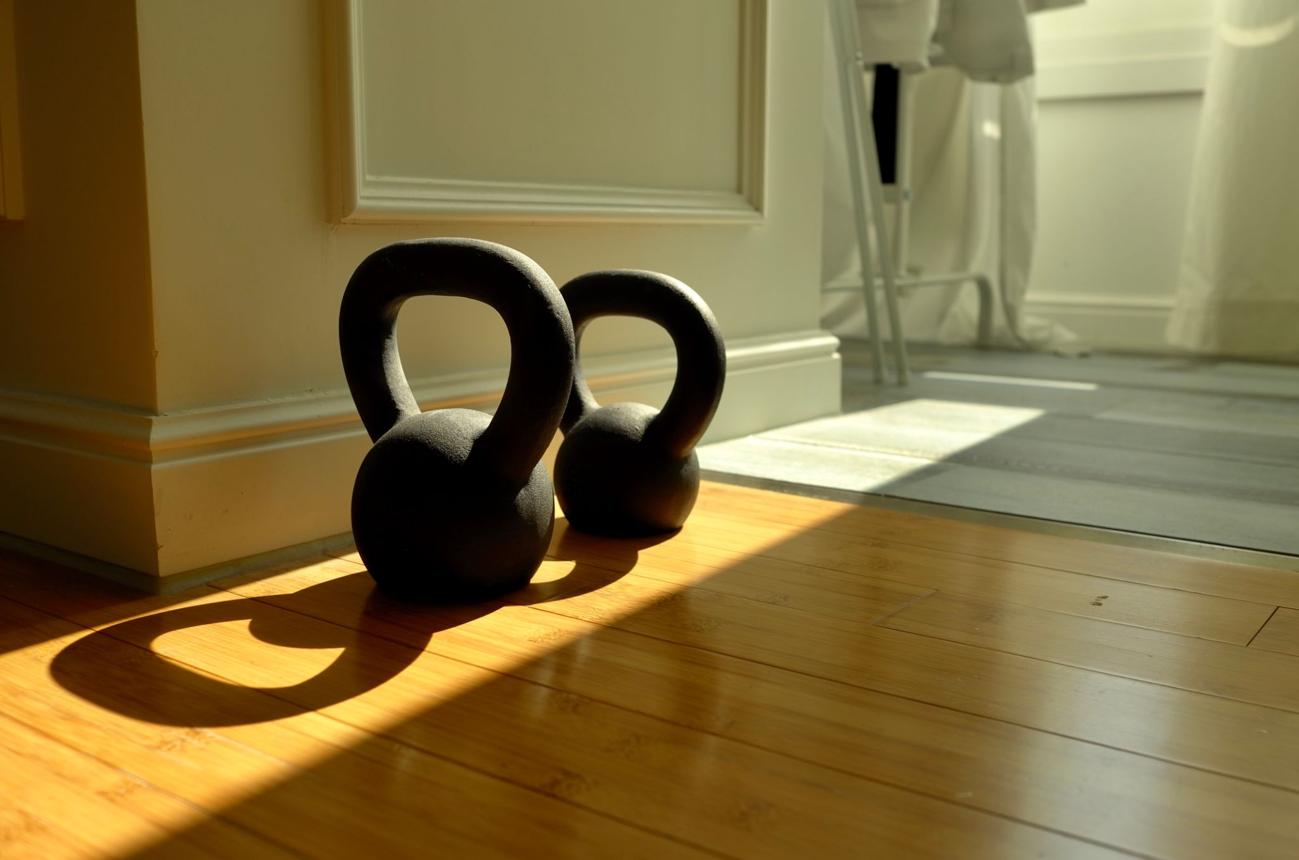
Home Strength Training: The Few Things Women Over 40 Really Need
Muscle mass is one of the most effective levers for hormonal health, metabolism and energy. What you need for it is less than you think.

The Best Health Books for Women Over 35 — My Five Recommendations
Five books I recommend again and again — because they don't make simple promises, but explain connections that finally make sense.

Blood Work Normal — Still Exhausted: What No Doctor Routinely Measures
What a normal lab result really says — and which values are often simply not measured for chronic exhaustion.

Why Training Must Change from 35 Onwards
Not more effort — different effort. What hormonal changes do to your training, and why more cardio often achieves the opposite.

What Influences Women's Hormones from 40 Onwards?
Stress, sleep, nutrition, exercise — the most important factors that shape your hormonal balance daily. Evidence-based, practical, understandable.

The Most Common Symptoms of Perimenopause — and Why They Are Often Overlooked
Many complaints are dismissed as stress or overwork. Yet they have a clear hormonal cause. Understand. Recognise. Find balance.