Many women describe the mid-30s to late 40s as the phase when the body suddenly seems to know different rules. Without announcement. Without a user manual. (And without a right of return.) Same nutrition, same exercise, same everyday life — and yet different results. This rarely has anything to do with discipline. It comes down to real, measurable hormonal changes — and to the factors that influence them every day.
At a glance: What affects women's hormones after 40?
- Chronic stress and persistently elevated cortisol levels
- Sleep quality and circadian rhythm
- Nutrition, blood sugar stability and gut health
- Type and intensity of physical exercise
- Xenoestrogens from environment, plastics and cosmetics
- Thyroid function and micronutrient supply
In perimenopause — which often begins from the mid-30s — the hormonal buffer becomes smaller. The same influences that were once tolerated without difficulty now leave clearer traces.
Topics in this article
Around 8 in 10 women experience hormonal complaints before the classic menopause — often without clear classification. In Austria and Germany, millions of women between 40 and 59 are affected by this life phase. And according to studies, the vast majority were never properly informed about what happens physiologically during this time.
Perimenopause can last 7 to 10 years. It often begins gradually — with changed sleep, stronger PMS symptoms, more inner restlessness. Long before the cycle becomes irregular. This article gives you a well-founded overview of the most important influencing factors — and what you can specifically derive from them.
The hormones that become particularly relevant after 40
Before we get to the influencing factors, it's worth a brief look at the key players — and their interactions with each other.
Oestrogen
Oestrogen is more than a reproductive hormone. It influences serotonin, dopamine, memory, sleep, bones, skin and the cardiovascular system. In perimenopause, oestrogen doesn't decline linearly — it fluctuates strongly and unpredictably. These fluctuations themselves explain many typical complaints: hot flushes, mood swings, brain fog.
Progesterone
Progesterone has a calming effect on the nervous system — it is the biological counterweight to oestrogen. It often begins to decline from the mid-30s, before oestrogen falls noticeably. Women commonly notice its decline as poorer sleep onset, more inner restlessness and stronger PMS symptoms — long before the cycle becomes irregular.
Cortisol
The primary stress hormone is simultaneously one of the most underestimated hormone disruptors after 40. Chronically elevated cortisol can directly suppress progesterone production, destabilise blood sugar, disturb sleep and promote visceral fat deposits.
Insulin
With declining oestrogen, cellular insulin sensitivity changes. Blood sugar fluctuates more strongly — with consequences for energy levels, hunger and body composition. This connection is underestimated in many conversations about female hormone health.
"Hormones don't respond to willpower. They respond to conditions — to sleep, food, stress, exercise. Every day."

1. Chronic Stress — the most powerful hormone disruptor
Stress is physiologically sensible — when it is time-limited. The problem in modern everyday reality: cortisol rises, but rarely really falls. Mental load, permanent availability, unresolved worries, sleep deprivation — the body remains in a state of mild permanent alert.
Eventually the body acts like a team member who has been doing all the overtime for years and never taken holiday. She functions — but somewhere savings are being made. Concretely: cortisol competes with progesterone for the same biochemical precursors (pregnenolone). Under sustained pressure, progesterone can be "consumed on the way to cortisol" — a mechanism sometimes called the progesterone-steal phenomenon. The result: relative progesterone deficiency, poorer sleep, stronger stress responses.
- Constant flow of information without genuine recovery breaks
- Sleep deprivation as an independent, underestimated stressor
- Emotional chronic stress through responsibilities, relationships and mental load
- Excessively intense training without adequate recovery

2. Sleep — the underestimated hormone regulator
Sleep is not a passive pause. At night, the body regulates cortisol, produces growth hormones, regenerates tissue, processes emotions and stabilises blood sugar. Poor sleep after 40 is not just a consequence of hormonal disruption — it is simultaneously its cause.
Declining progesterone makes sleep lighter and more susceptible to interruption. Frequent waking between 2 and 4 am is not coincidental — it is a typical pattern with elevated cortisol. Those who sleep poorly produce more cortisol the next day, are more insulin resistant and recover more slowly. A self-reinforcing cycle.
- Regular sleep times The circadian rhythm is directly linked to hormone production. Those who sleep and wake at similar times daily sustainably stabilise cortisol, melatonin and growth hormones.
- Morning daylight 5–10 minutes of natural light shortly after waking resets the circadian pacemaker. Outdoors reaches 10,000–20,000 lux — indoors often only 100–300 lux. This difference has direct effects on cortisol and sleep pressure.
- No alcohol as a sleep aid Alcohol accelerates sleep onset but fragments sleep in the second half of the night — precisely the phase critical for hormonal regeneration.
- Cool sleep environment Core body temperature must drop for deep sleep. A cool bedroom (17–19°C) supports this process — particularly important for hot sensations in perimenopause.
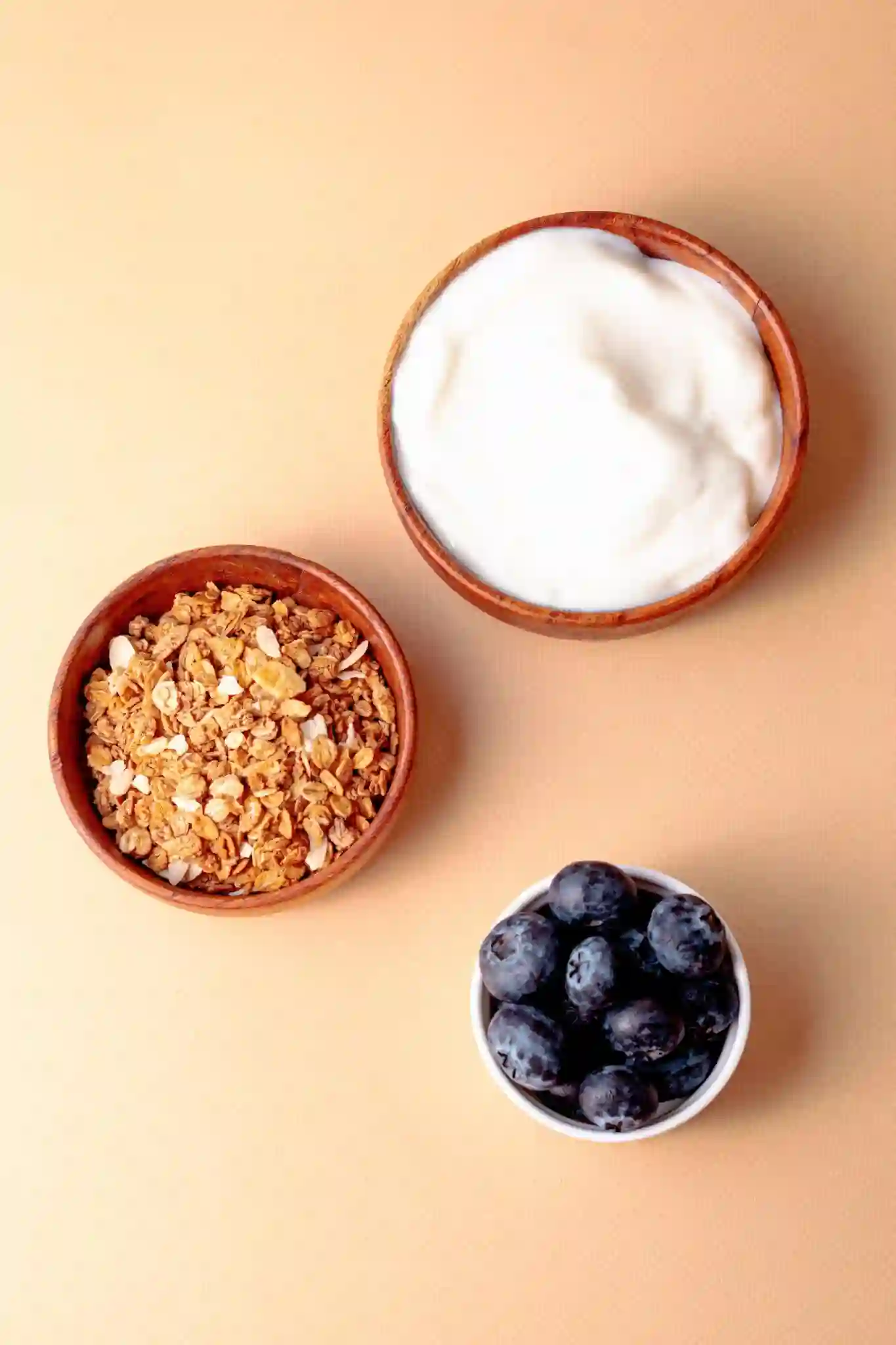
3. Nutrition — direct influence on oestrogen & blood sugar
What is eaten influences hormones via multiple pathways simultaneously: through blood sugar, the gut microbiome, inflammatory processes and the direct nutrient supply for hormone synthesis.
Blood sugar stability is hormone stability
Strong blood sugar fluctuations — from too much sugar, too little protein or long gaps between meals — trigger cortisol releases. In perimenopause, when insulin sensitivity already declines, these responses are experienced more intensely: as intense cravings, energy crashes, irritability and concentration problems.
Protein as a hormonal building block
Amino acids from protein are building blocks for neurotransmitters (serotonin, dopamine), enzymes and tissue regeneration. Scientifically recommended for active women: 1.6–2.0 g per kilogram of body weight daily — often 100–130 g — distributed across all main meals. From age 40 onwards, when muscle loss and insulin resistance increase, protein has strategic importance.
The oestrobolome — gut and oestrogen
A group of gut bacteria, the so-called oestrobolome, is partly responsible for oestrogen regulation in the body. Low-fibre diets, frequent antibiotic use and chronic stress can destabilise this system. Fermented foods, fibre and polyphenol-rich plant foods support a healthy microbiome.
Not eating less — eating better. The focus shifts from calorie reduction to nutrient density, timing and blood sugar after 40.
4. Exercise — hormone booster or stressor?
Exercise influences hormones in both directions. Too much high-intensity training without recovery chronically elevates cortisol. The right type, however, improves insulin sensitivity, protects muscle mass, stabilises mood and supports bone density.
Strength training as a hormonal anchor
Strength training after 40 is not a nice-to-have — it is a hormonal protective factor. It preserves muscle mass (which without targeted stimulus begins to decline slowly from age 35), improves insulin sensitivity and sets anabolic signals that counteract the catabolic tendency of hormonal changes. 2–3 sessions per week with a focus on compound exercises are sufficient — no extreme volume, no daily maximum.
Why chronic cardio can be counterproductive
Long, intense endurance sessions without adequate recovery can chronically elevate cortisol and burden thyroid hormone production. Especially in stress-loaded phases or with poor sleep: walking, Zone-2 training and calm yoga sessions are often more effective than high-intensity sessions.
5. Hormone Therapy — a factual assessment
At some point, almost every woman in perimenopause asks herself: is hormone replacement therapy (HRT) an option for me? The answer is nuanced — but it is not automatically no.
Modern hormone therapy — particularly with bioidentical hormones — is effective and safe for many women with appropriate indication. It can significantly improve hot flushes, sleep disturbances, mood swings and cognitive complaints. At the same time, it is not a universal approach: pre-existing conditions, family risk factors and individual symptoms play a central role.
Important: hormone therapy complements favourable lifestyle factors — it doesn't replace them. Sleep, nutrition, stress regulation and exercise remain the foundation. The decision for or against HRT should always be made together with a doctor who is familiar with the current scientific picture of perimenopause.
6. Environmental Factors & Xenoestrogens
A frequently neglected area: substances from the environment can have an oestrogen-like effect in the body or directly disrupt hormone production. These so-called xenoestrogens are found in plastic packaging (BPA), pesticides on food, certain cosmetics (parabens, phthalates) and industrially processed foods.
- Glass or stainless steel instead of plastic for food and drinks
- Natural cosmetics without parabens and phthalates
- Organic produce for pesticide-intensive varieties (strawberries, apples, spinach)
- Avoid non-stick pans with PFAS coating
7. Thyroid — the underestimated hormonal conductor
The thyroid regulates basal metabolic rate, energy, temperature regulation, mood and the activity of virtually all other hormones. Subclinical thyroid underfunction becomes more common in women after 40 — and often remains undetected for a long time, because its symptoms (exhaustion, weight gain, brain fog, hair loss) overlap with perimenopause complaints.
Useful lab values for relevant complaints: TSH, fT3, fT4 and Anti-TPO antibodies. Iodine, selenium and zinc are also essential for healthy thyroid function — and are not routinely checked in many basic investigations.
What you can specifically do — the most important levers
Hormones cannot be controlled. But the conditions under which they work can be systematically improved. These six areas have the greatest demonstrated influence:
- Prioritise sleep Regular sleep times, cool room temperature, no alcohol, morning light after waking. Sleep is the most effective hormonal regeneration tool — which no supplement can replace.
- Actively regulate stress response Daily short recovery breaks: slow exhalation, walks, NSDR. The goal is not zero stress — but better recovery after stress.
- Distribute protein evenly 1.6–2.0 g/kg body weight daily, distributed across all main meals. Stabilises blood sugar, supports muscle mass and provides building blocks for neurotransmitters.
- Strength training 2–3x per week Targeted strength training is the most effective protection against hormone-related muscle loss, insulin resistance and bone loss. No constant cardio, no daily maximum.
- Stabilise blood sugar Meals with protein, healthy fats and fibre. Less isolated sugar. A protein-rich breakfast can positively influence energy levels and mood throughout the day.
- Check lab values regularly Thyroid (TSH, fT3, fT4), ferritin, vitamin D, B12, blood sugar/HbA1c. Good diagnostics are the foundation for informed decisions — not for self-optimisation, but for self-understanding.
The most important takeaways at a glance:
Hormones respond daily to sleep, stress, nutrition and exercise.
Chronic stress is the most powerful hormone disruptor after 40.
Strength training protects against the consequences of hormonal changes.
Thyroid and blood sugar are frequently overlooked — worth checking.
Hormone therapy can make sense — and deserves a factual, informed assessment.
Frequently Asked Questions
When does perimenopause begin and how long does it last?
Perimenopause can begin as early as the mid-30s — long before the cycle becomes irregular. Typical early signs are poorer sleep, stronger PMS symptoms and changed stress responses. The average duration is 7 to 10 years. Menopause itself (last cycle) occurs on average around age 51.
Which hormone changes first in women after 40?
In most cases, progesterone declines first — often already from the mid-30s. Oestrogen initially fluctuates strongly in perimenopause before declining significantly towards menopause. Cortisol can remain chronically elevated through chronic stress and further influence both sex hormones.
How do you know when hormones are getting out of balance?
Typical signs: poorer sleep (especially waking between 2 and 4 am), changed stress responses, brain fog, mood swings, irregular cycle, weight gain around the abdomen, hot sensations. Many of these symptoms appear long before classic menopause and are frequently dismissed as general exhaustion.
Is hormone replacement therapy useful in perimenopause?
For many women yes — especially with pronounced symptoms. Modern bioidentical hormone therapy is safe and well tolerated for most healthy women with appropriate indication. Whether it is suitable depends on individual factors and should be discussed with a perimenopause-experienced doctor.
Can you naturally influence your own hormonal balance?
Yes — with measurable effect. Sleep, stress regulation, targeted strength training and blood sugar stability have the greatest demonstrated influence on hormonal balance after 40. They don't replace medical treatment for pronounced symptoms, but form the foundation of long-term hormonal health.
FemBalance Living · Guides
Go deeper — with concrete protocols for your everyday life.
The FemBalance Guide breaks down these connections specifically for women over 35 — with a focus on cortisol, sleep, nutrition, strength training and hormonal balance in perimenopause. Scientifically grounded, practical for everyday life, instantly available digitally.
Discover All Guides