If there is one measure that can positively influence sleep, metabolism, hormones, energy and bone health simultaneously — it is strength training. Many women over 40 know this. And yet it often stops at the conviction that you need a gym, expensive equipment or lots of time for it. Neither is true.
What you really need for effective strength training at home:
- A kettlebell — for full-body strength with minimal space requirements
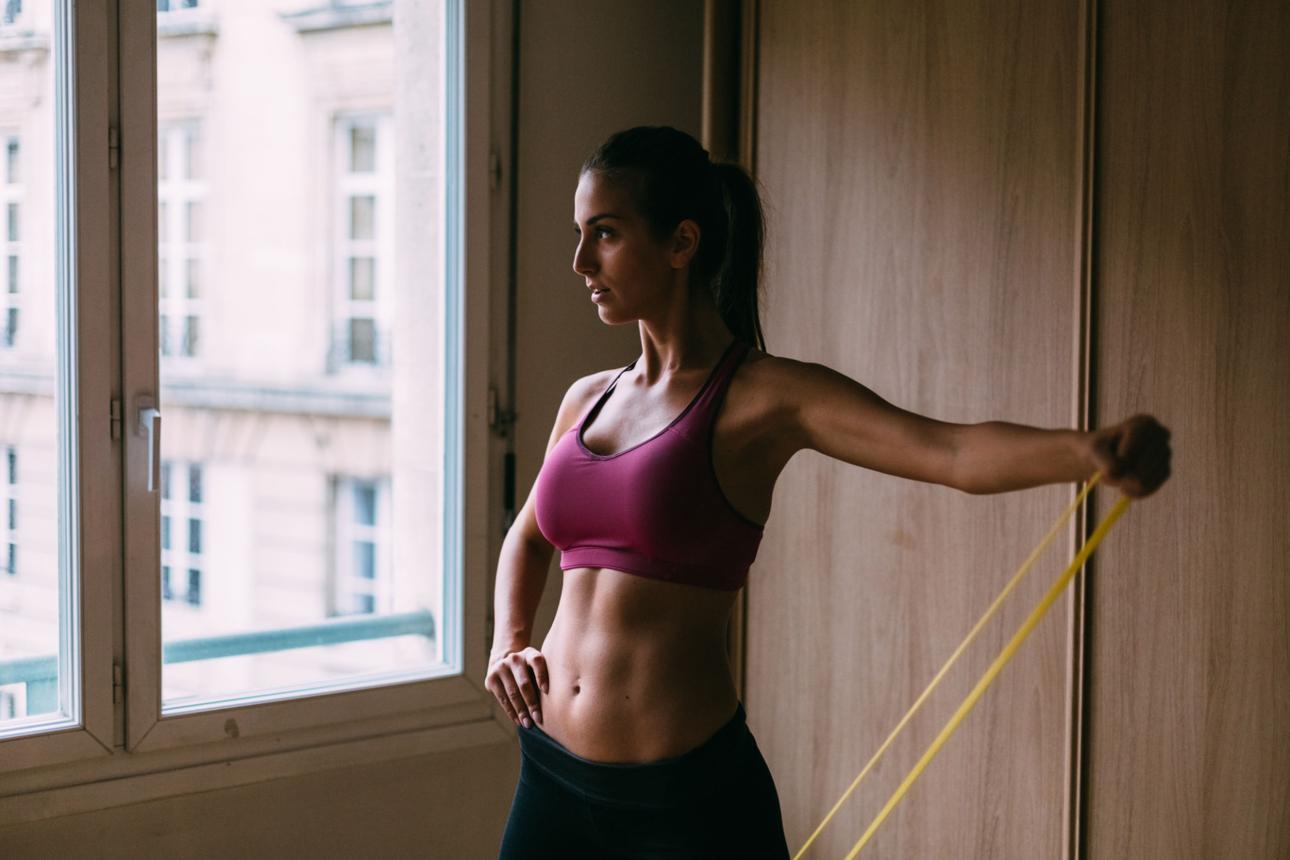
- Resistance bands — joint-friendly, versatile, usable anywhere
- Power bands — complete strength training without weights
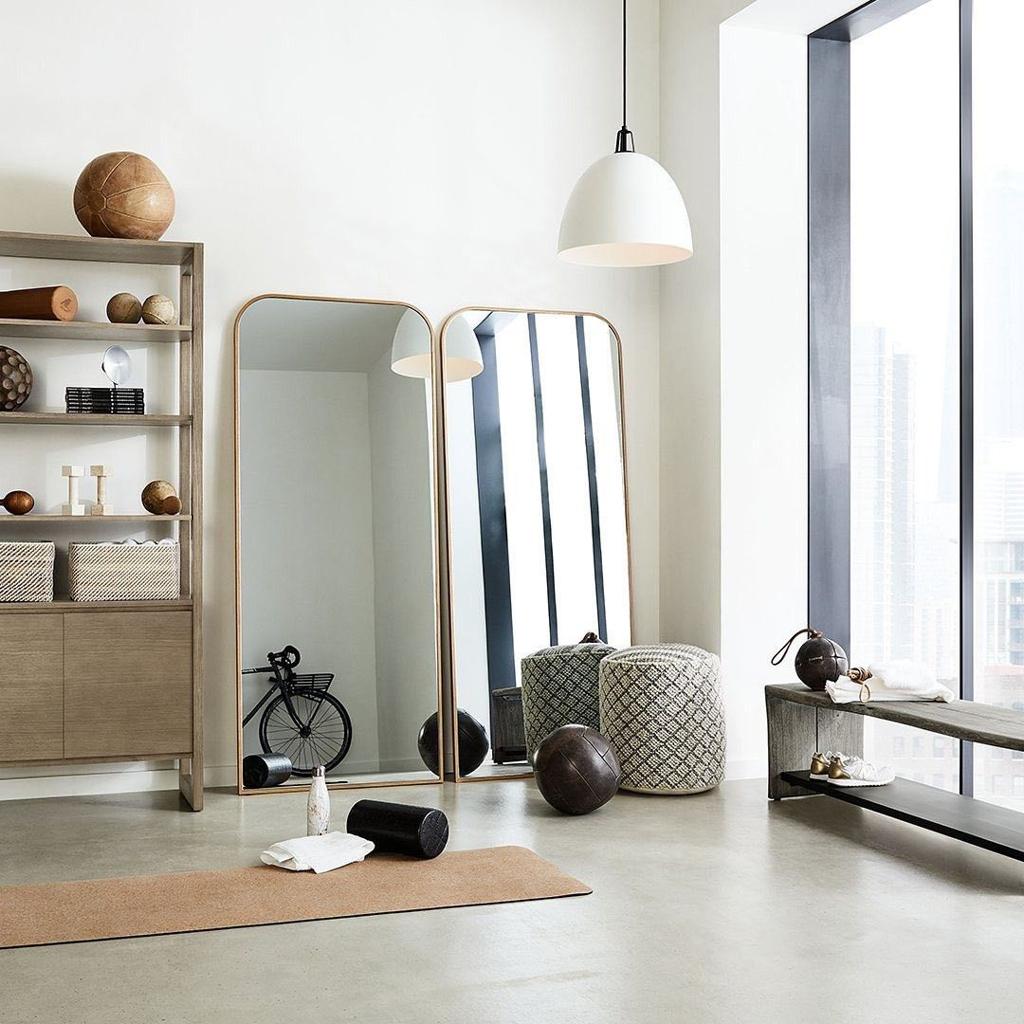
- A high-quality training mat — as a fixed place for movement and recovery
Nothing more is needed to build muscle, support metabolism and move through life with more strength long term.
Topics in this article
Many women invest a lot of time in nutrition, supplements or various health strategies. All of that can make sense. Yet one area is frequently underestimated — even though the scientific evidence today is remarkably clear: muscle mass is one of the most important health factors in the female body. Particularly from the mid-30s onwards, the conditions begin to change gradually.
The first hormonal changes often occur much earlier than many women expect. At the same time, without a targeted training stimulus, muscle mass declines step by step — from around age 35, up to 30% of functional muscle strength without countermeasures. Metabolism changes, insulin sensitivity often decreases. The good news: you don't need a gym or complicated equipment to do something about it.
Why strength training becomes ever more important for women over 40
For many years, women were primarily recommended endurance training. Running, cycling, cross-trainer, burning calories. Today we know considerably more. Experts like Stacy Sims or Gabrielle Lyon have been emphasising for years that muscle mass is important not only for athletic performance — but is a central component of long-term health.
Muscle is not passive tissue. Muscle is biologically active. During training, so-called myokines are released — messengers that communicate with the brain, liver, adipose tissue and immune system and trigger numerous positive effects throughout the entire body. This is why many modern scientists now even speak of muscle as an endocrine organ.
Musculature influences blood sugar metabolism, insulin sensitivity, hormone regulation, bone density, the immune system, mental resilience and mobility as we age. Even 2–3 short strength training sessions per week can produce measurable improvements.
Hormonal changes begin earlier than thought
Many women think of hormonal changes primarily in terms of menopause. In reality, the hormonal shift often begins years earlier. During perimenopause, progesterone, oestrogen and later testosterone all change. These hormones influence not only the cycle — but virtually every area of the body.
Possible consequences can include: poorer sleep, less energy, weight gain, increased fat storage around the abdomen, reduced resilience, longer recovery times. Many women experience these changes and initially think they simply need to work harder or eat less. In reality, physiology is changing — and strength training is one of the most effective counterweights to this.
"I thought I just needed to become more disciplined. But my body didn't need more pressure — it needed more regulation."
Regular strength training can improve insulin sensitivity, support metabolism, protect bone health and positively influence sleep and the nervous system. Many women report sleeping better, becoming more balanced and feeling mentally more stable through regular strength training. Movement acts not only on muscles — but also on neurotransmitters, stress regulation and the autonomic nervous system.
The minimal home gym: 4 things that really suffice
The fitness industry likes to give the impression that health depends on ever more equipment. For most women, this isn't true. The best results come not from more equipment — they come from consistency. If I were building a home gym today, it would be exactly these four things.
01 — My favourite for full-body strength
The Kettlebell
If I could only keep a single piece of training equipment, it would probably be a kettlebell. With it you can train virtually all basic movement patterns — squats, deadlifts, lunges, shoulder press, rows and kettlebell swings. This trains multiple muscle groups simultaneously, making the training efficient and practical for everyday life.
- Full-body strength with a single piece of equipment
- Minimal space requirements — fits in any flat
- Promotes strength, stability and coordination simultaneously
- Suitable for beginners and advanced athletes
02 — Small but effective
Resistance Bands
Resistance bands are among the most versatile training aids available. They are excellent for glute training, back exercises, shoulder stability, mobilisation and activation before training. Beginners in particular benefit from the joint-friendly loading. The bands also fit easily in any drawer or travel bag.
- Ideal for glutes, shoulders, back and mobilisation
- Joint-friendly — especially suitable for beginners
- Space-saving and usable anywhere
- Different resistance levels for all fitness levels
03 — The mobile gym
Power Bands
Power bands are the bigger siblings of classic resistance bands. With them you can carry out complete strength training sessions — entirely without weights. Squats, rows, deadlifts, chest press, shoulder press and core training are all possible. For small flats or travelling, they are virtually perfect.
- Complete strength training without weights or machines
- Extremely space-saving — ideal for small flats
- Different resistance strengths available
- Ideal for beginners and advanced athletes alike
04 — Often underestimated, used daily
The Training Mat
Often underestimated, but incredibly practical. A good mat creates a fixed place for movement in everyday life — and that is precisely what makes the difference. It is suitable for strength training, mobility training, stretching, yoga, Pilates, breathing exercises and active recovery. Especially if you want to support your nervous system alongside building muscle, the mat quickly becomes one of the most used items in your home.
- Creates a fixed, low-threshold movement space
- For strength training, stretching, yoga and recovery
- Non-slip, robust and easy to clean
- Supports nervous system routine and active recovery
What you don't need
The fitness industry likes to give the impression that health depends on ever more equipment. For most women, this isn't true. You don't need your own gym room, multiple machines, an expensive weight rack, complicated programmes or constantly new gadgets.
The best results don't come from more equipment. They come from consistency. Two to three short sessions per week that you actually do are more valuable than ambitious plans that don't work in everyday life.
Women are often told that health is complicated. That they need the perfect nutrition, the right supplements or the ideal training programme.
Yet one of the most effective levers often lies right in front of us: preserving and building muscle mass. Strength training is not a measure for athletes. It is an investment in energy, metabolism, bone health, hormonal health and quality of life.
And the best thing about it: you often need nothing more than a kettlebell, some bands and a mat.
Frequently Asked Questions
What equipment do I need for strength training at home as a woman?
An effective home gym requires four things: a kettlebell, a set of resistance bands, a set of power bands and a high-quality training mat. With these you can train virtually all basic movement patterns — without a gym, without machines and without much space.
How often should a woman over 40 do strength training?
Even 2–3 short strength training sessions per week can measurably improve insulin sensitivity, sleep, energy and hormonal health. More important than frequency is consistency: regular and feasible is better than ambitious and irregular.
What is the difference between resistance bands and power bands?
Resistance bands are flat, lighter bands — ideal for glute training, shoulder activation, mobilisation and exercises with lower resistance. Power bands are wide, robust loop bands with higher resistance, with which complete strength training without weights is possible.
Is a kettlebell suitable for beginners?
Yes. Kettlebells are well-suited for beginners if you start with a lighter weight and learn the basic movement patterns. Exercises like goblet squats, deadlifts or rows can be well learned without prior knowledge. A starting weight of 8–12 kg is sensible for most women.
Why is strength training particularly important for women over 40?
From around age 35, muscle mass begins to decline slowly without targeted training stimulus. At the same time, hormones change — progesterone and oestrogen decline, insulin sensitivity decreases. Strength training acts directly on metabolism, blood sugar, bone health, sleep and energy and is therefore one of the most effective levers for long-term health in this life phase.
FemBalance Living · Guides
Anchoring strength training in everyday life — with a concrete protocol.
The FemBalance Guides translate scientific insights on strength training, hormones and recovery into practical step-by-step protocols for women over 35 — instantly available digitally.
Discover All Guides