The alarm goes off. The body feels heavy, the mind is already full. Most women know this moment — and many assume they simply need more discipline. But this rarely has anything to do with discipline. It comes down to what happens in the first minutes after waking — and whether the environment supports or disrupts those processes.
A practical morning routine for women — at a glance:
- Natural morning light — 5–10 minutes outside, ideally right after waking
- Drink enough water — even 1–2 % dehydration measurably impairs concentration and energy
- Protein-focused breakfast — at least 25–35 g for stable energy and blood sugar
- Gentle movement — a short walk, stretching or light yoga
- No screens for the first 20–30 minutes — the nervous system needs time to settle
A morning routine doesn't need to be an elaborate protocol. What counts is regularity — and understanding what signals your body actually needs in the morning.
Topics in this article
Even short daily routines combining light, movement, breathing and hydration can measurably influence the nervous system — this is supported by decades of research into circadian biology. The morning is not a neutral moment. It is the first input to which the body responds. And this input shapes how the nervous system, cortisol levels and energy balance unfold for the rest of the day.
For women over 35 in particular, understanding this connection is worthwhile. In perimenopause the hormonal buffer shrinks: progesterone and oestrogen fluctuate more widely, stress tolerance decreases, sleep becomes lighter. At this stage the body responds more sensitively to what it receives — or doesn't receive — in the morning.

A calm morning routine begins before you even get up.
What the morning does to your hormones
The body doesn't simply sleep through the night and restart. In the early morning hours — even before waking — it is already preparing for the day. Cortisol, the primary wakefulness hormone, rises naturally. This so-called Cortisol Awakening Response (CAR) is not a problem — it is a healthy, biologically purposeful reaction. It mobilises energy, sharpens focus and primes the immune system for the day ahead.
The natural cortisol peak
Between 20 and 60 minutes after waking, cortisol reaches its daily peak — in healthy individuals. Women who feel chronically exhausted on waking, notice no morning energy, or feel internally tense from the very start of the day often have a dysregulated CAR. Chronic stress, poor sleep and insufficient light exposure are the most common causes. What gets interpreted as "I'm not a morning person" is frequently a physiological signal.
The window after waking
The first 30 to 60 minutes after waking are biologically highly influential. What happens during this time — light, movement, hydration, but also social stress, sensory overload or screen use — sets the tone for the hormonal balance of the entire day. No other time of day has a comparable influence on cortisol, melatonin and the circadian rhythm.
"I was in full-speed mode from the moment I woke up — phone, news, thoughts. Only when I started keeping the first 20 minutes intentionally calm did I notice how differently the day felt." — Clara, 38
Morning light — the strongest signal for your body
Natural daylight in the morning is the most important external timekeeper for the circadian rhythm. Research by the Huberman Lab at Stanford University shows that outdoor morning light reaches 10,000 to 20,000 lux — while indoor lighting, even when switched on, often falls between just 100 and 300 lux. This difference is enormous for the body.
Morning light signals to the brain: it is daytime. This triggers a chain reaction — the cortisol curve is stabilised, sleep pressure for the evening is built, and melatonin production is anchored in time. Just 5 to 10 minutes outside after waking is sufficient to achieve this effect. On overcast days, simply stay out a little longer — diffuse daylight still works.

Drinking enough water is one of the simplest and most effective morning steps.
Hydration — underestimated and immediately effective
After 7–9 hours of sleep the body is mildly dehydrated — even without sweating. Even a dehydration of just 1–2 % can measurably impair concentration, energy and mood. The first glass of water in the morning is therefore not just a habit — it is a physiological necessity.
Lukewarm water with a squeeze of lemon juice supports digestive activity and provides vitamin C — without overstated health claims. Women who have little appetite in the morning can start with fluids and eat breakfast a little later. What matters is not pushing hydration until after coffee.
- A large glass of water immediately after waking — before coffee or tea
- Optional: a pinch of sea salt or electrolytes if training intensely in the morning
- Coffee after 60–90 minutes — so the natural adenosine clearance process remains undisturbed

A protein-focused breakfast stabilises blood sugar and energy well into the afternoon.
The first meal — what your body needs in the morning
Breakfast is not the only lever, but it is an important one for stable energy and hormonal balance. Particularly for women over 35: protein is the most important nutrient in the morning — not because everything else is irrelevant, but because protein stabilises blood sugar, reduces cravings throughout the day and provides the building blocks for neurotransmitters such as serotonin and dopamine.
Research recommends at least 25–35 g of protein per meal to activate muscle protein synthesis and maintain blood sugar stability. That sounds like a lot — but it is easily achievable with Greek yoghurt with nuts and seeds, eggs on wholegrain bread, or a protein shake with berries.
- Greek yoghurt with granola, nuts and berries Combines protein, healthy fats and fibre — delivers satiety alongside stable blood sugar. Ideal for mornings when there's no time to cook.
- Eggs — boiled, scrambled or as an omelette Eggs provide complete protein, choline for brain function and vitamin D. One of the most nutrient-dense breakfast options, and quick to prepare.
- Overnight oats with protein powder or cottage cheese Prepared the evening before — ideal for women with little time in the morning. Oats provide beta-glucan for gut health and stable blood sugar.
- Smoothie with a protein source Practical when solid meals feel difficult in the morning. Important: include a protein source (yoghurt, cottage cheese, protein powder) — not just fruit.
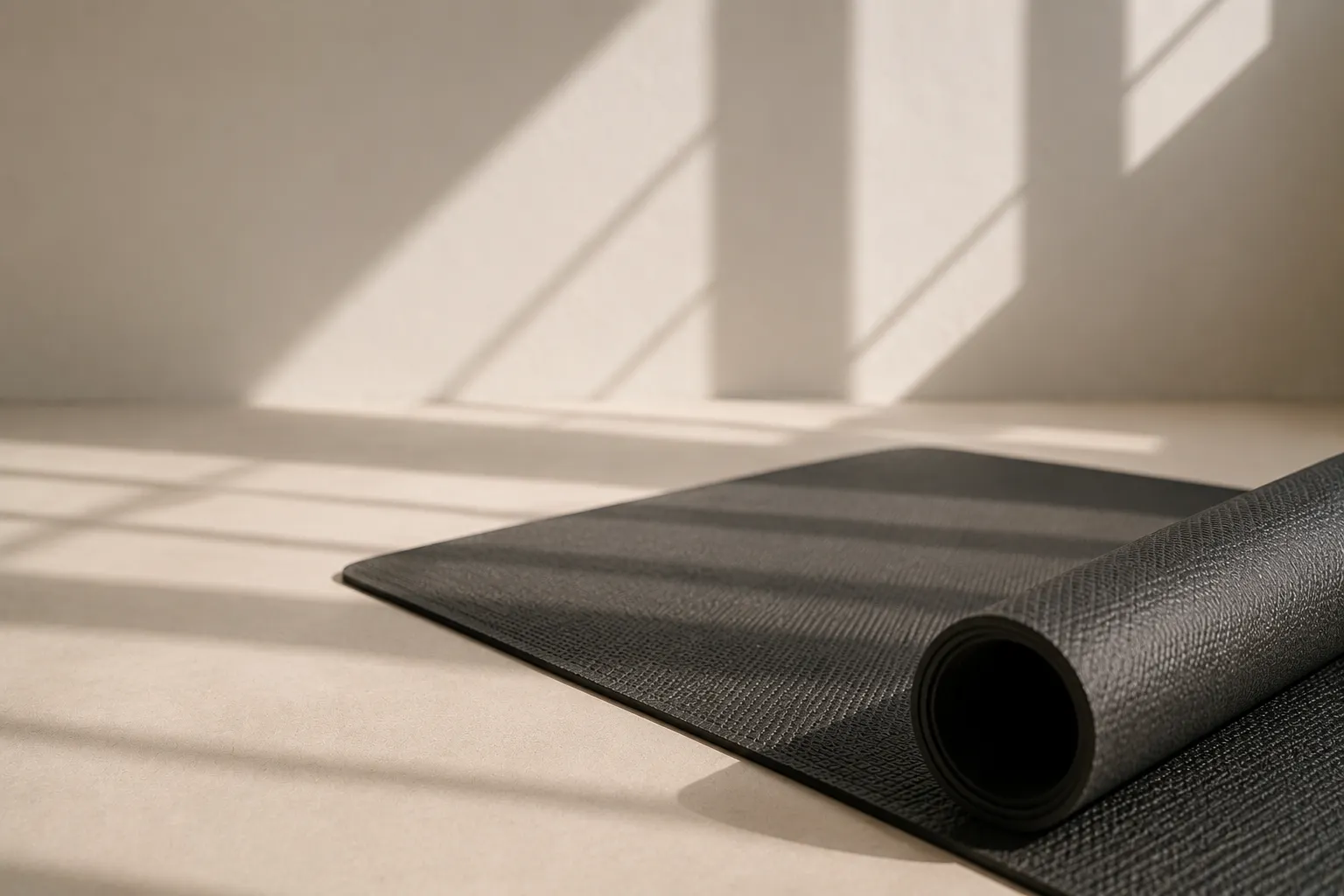
Morning movement doesn't need to be intense — gentle sessions often have more impact than expected.
Morning movement — why less is often more
Morning exercise can make use of the natural cortisol peak — provided sleep and stress levels are adequate. Starting the day after a restless night with an intense HIIT session raises cortisol further instead of regulating it. For women in perimenopause or under high everyday stress: gentle movement is often more effective than intense exercise.
A 10–20 minute walk — ideally outdoors in daylight — combines movement with light exposure and mild nature exposure. This has a direct regulatory effect on the nervous system and cortisol, as studies on the influence of nature on the parasympathetic nervous system demonstrate. More intensive training such as strength training or brisk cardio can take place at any time of day — it doesn't have to happen in the morning.
- Short walk outdoors — 10–20 minutes, no pace required
- Gentle yoga or stretching — activates the parasympathetic nervous system
- Breathing exercises (e.g. extended exhale: 4–6 seconds) — reduces morning tension
- No pressure to do intense exercise — with poor sleep or high stress, rest is often the better choice
What women over 35 should pay particular attention to in the morning
From the mid-30s, progesterone and oestrogen begin to change — often long before the cycle becomes irregular. The nervous system becomes more sensitive to stress. Cortisol stays elevated longer after exertion. Poor sleep reinforces itself. At this stage a consistent morning routine is not merely a lifestyle recommendation — it becomes a genuine physiological tool.
As Leonie, 42, shared: "I tried every new health recommendation for years. Supplements, protocols, routines. But eventually health became just another optimisation project for me. My body didn't need more pressure — it needed safety and regularity." That is precisely the difference between a morning routine as performance and one as genuine support.
Morning routine and perimenopause:
- A consistent wake time stabilises the circadian rhythm and cortisol
- Morning light is especially important when sleep has become lighter
- Protein at breakfast protects muscle mass — which starts declining from age 35 without targeted stimulus
- Gentle movement regulates the nervous system more effectively than intense sessions under high stress
Building a practical morning routine — without pressure
The most common trap: a new morning routine is introduced as a complete package, works for two weeks, then collapses on the first stressful day. The more effective approach is to start with a single new element — and keep it simple enough that it is possible even under time pressure.
- Step 1 — Set an alarm and get up A consistent wake time, including weekends. This is the foundation for a stable circadian rhythm — and the most important lever for sleep quality and cortisol regulation.
- Step 2 — Drink a glass of water Right after waking, before coffee or your phone. Simple, immediately doable, measurably effective.
- Step 3 — Get into the light 5 minutes outside — walk the dog, check the letterbox, take a short loop around the building. No time for perfectionism. An overcast sky is perfectly fine.
- Step 4 — Protein-rich breakfast At least 25 g of protein. Preparing the evening before makes it easier. Overnight oats, hard-boiled eggs in the fridge, yoghurt with nuts.
- Step 5 — Phone after 20 minutes Not as a rule, but as an invitation. The first minutes without messages, emails and social media give the nervous system space to settle — this is measurable, not just a feeling.
The most important takeaways at a glance:
Morning light is the strongest timekeeper — 5–10 minutes outside can sustainably improve cortisol and sleep.
Hydration before coffee — even 1–2 % dehydration measurably impairs energy and focus.
Protein at breakfast stabilises blood sugar, reduces cravings and protects muscle mass.
For women over 35, regularity matters more than the perfect protocol — consistency beats duration.
Frequently Asked Questions
What should a healthy morning routine for women include?
The most effective elements: natural morning light (5–10 minutes outside), adequate water immediately after waking, a protein-focused breakfast with at least 25–35 g of protein, and gentle movement such as a walk. Elaborate protocols are not needed — consistency counts more than duration or complexity.
Why is a morning routine especially important for women over 40?
From the mid-30s, progesterone begins to decline and the body becomes more sensitive to stress signals. A structured morning routine helps the body maintain its natural cortisol curve and avoids overloading the nervous system right at the start of the day. Women in perimenopause benefit particularly from structures that support the circadian rhythm.
How does morning light affect hormones?
Natural morning light resets the circadian pacemaker: it stabilises the cortisol curve for the day, builds sleep pressure for the evening and anchors melatonin production in time. Outdoors, morning light reaches 10,000–20,000 lux — indoors often only 100–300 lux. Even 5–10 minutes daily produces a measurable effect.
Is it better to exercise in the morning or evening?
This depends on sleep and stress levels. Morning exercise can make use of the natural cortisol peak — but only when sleep has been sufficient. With poor sleep or high cortisol, gentle morning movement (a walk, light yoga) is often more beneficial than intense sessions. Heavier strength training can take place at any time of day.
What should women eat first thing in the morning?
A protein-focused breakfast with at least 25–35 g of protein stabilises blood sugar, reduces cravings and provides building blocks for neurotransmitters. Good options include Greek yoghurt with nuts, eggs, legumes or overnight oats with cottage cheese. Timing is individual — regularity matters more than the exact hour.
How long does a morning routine need to be?
Even 20 minutes can make a measurable difference. What counts is not length but consistency: natural light, waking calmly without immediately reaching for a screen, and adequate fluids. An elaborate hour-long routine is not sustainable for most women in daily life — and therefore not necessary.
FemBalance Living · Guides
Daily routines that genuinely support your body.
The FemBalance Guide includes concrete protocols on morning routines, sleep, cortisol and hormonal balance — designed specifically for women over 35, practical for everyday life and scientifically grounded. Available as an instant digital download.
Discover All Guides