A few years ago I began to engage more deeply with my health. Not because everything suddenly went wrong. But because I noticed that my body was responding differently than before. Sleep became more fragile. Stress left clearer traces. Recovery was no longer a given. And at the same time I realised how little we women are often taught about our hormones, our nervous system, our metabolism or the changes of midlife. So I started reading.
The 5 books that changed my view of women's health:
Next Level — Your Guide to Kicking Ass, Feeling Great, and Crushing Goals Through Menopause and Beyond
The New Menopause
Forever Strong
Hormone & Nutrition Therapy
Woman on Fire
Each of these books highlights a different aspect of modern women's health. Together they convey a deeper understanding of hormones, sleep, muscle health, metabolism, prevention and healthy ageing.
Topics in this article
Podcasts became companions on walks. Studies and specialist articles filled my bookmarks. Above all, it was certain books that helped me truly understand the connections. Books that make complex science accessible. Books that provide orientation without generating fear. Books that show that many changes are not personal failures — they are part of female biology.
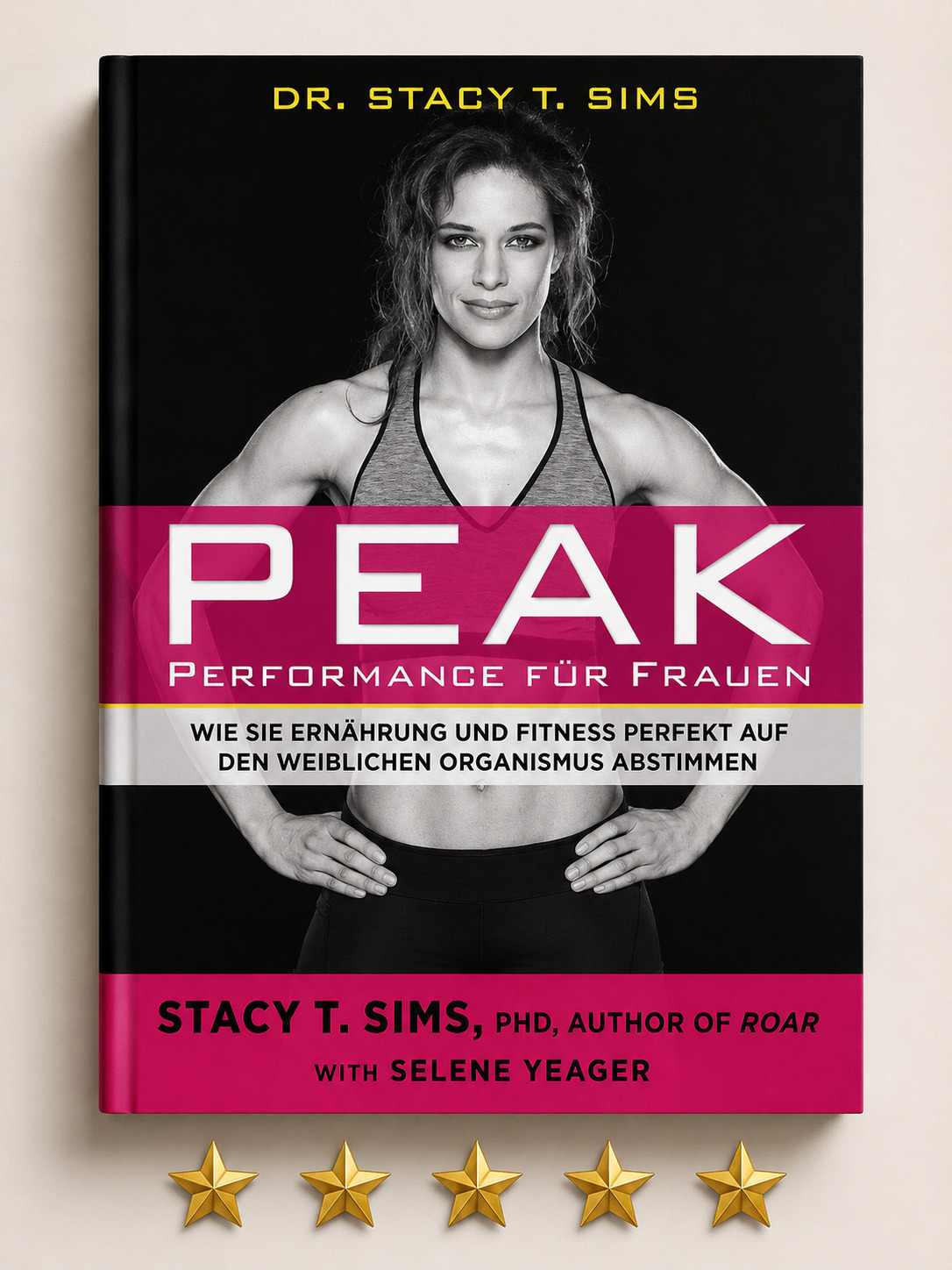
1. Next Level — Dr. Stacy T. Sims
For women who want to understand why their body responds differently than before
Book 1 of 5
If someone asked me which book about training and health in perimenopause I would recommend first, Next Level would probably be my first answer. Dr Stacy Sims is one of the world's leading experts in female exercise physiology. Her book changed my view of how closely hormones, training, recovery and metabolism are connected.
I find it particularly compelling that she explains many experiences women commonly have from their mid-30s: the previous training routine no longer works as well. Weight shifts. Recovery takes longer. Many respond by doing more cardio and eating less. Stacy Sims shows why this approach is often not the solution.
What I took from this book
- Muscle mass becomes one of the most important health factors — it influences metabolism, blood sugar regulation, bone health, energy and healthy ageing.
- Strength training is more important than many realise — not only physically, but also hormonally and mentally.
- Recovery deserves more attention — sleep, rest and stress regulation are not extras, but central building blocks of long-term health.
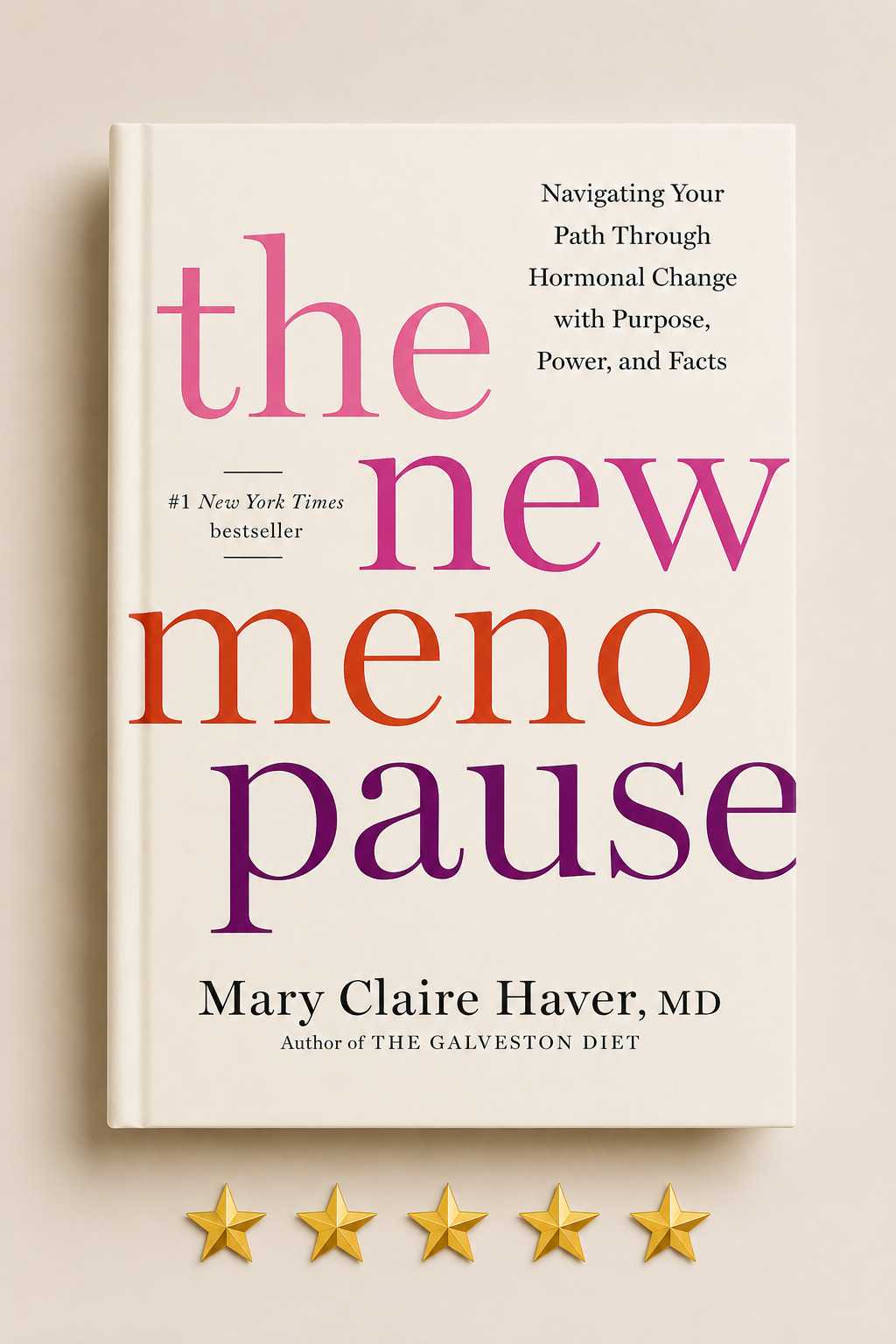
2. The New Menopause — Dr. Mary Claire Haver
The book many women wish they had read ten years earlier
Book 2 of 5
Menopause doesn't begin with the last period. For many women, the hormonal changes start much earlier — often without them knowing what is happening in their body. This is precisely why I consider The New Menopause one of the most important books on this topic.
Dr Mary Claire Haver explains clearly and scientifically what changes occur during perimenopause and why they affect so many areas of life. She doesn't just describe symptoms — she explains their causes. Suddenly it becomes understandable why sleep deteriorates, why hot flushes occur, why weight shifts. This knowledge relieves many women of uncertainty.
"I'm not imagining this. My body is changing — and there are understandable reasons for it."
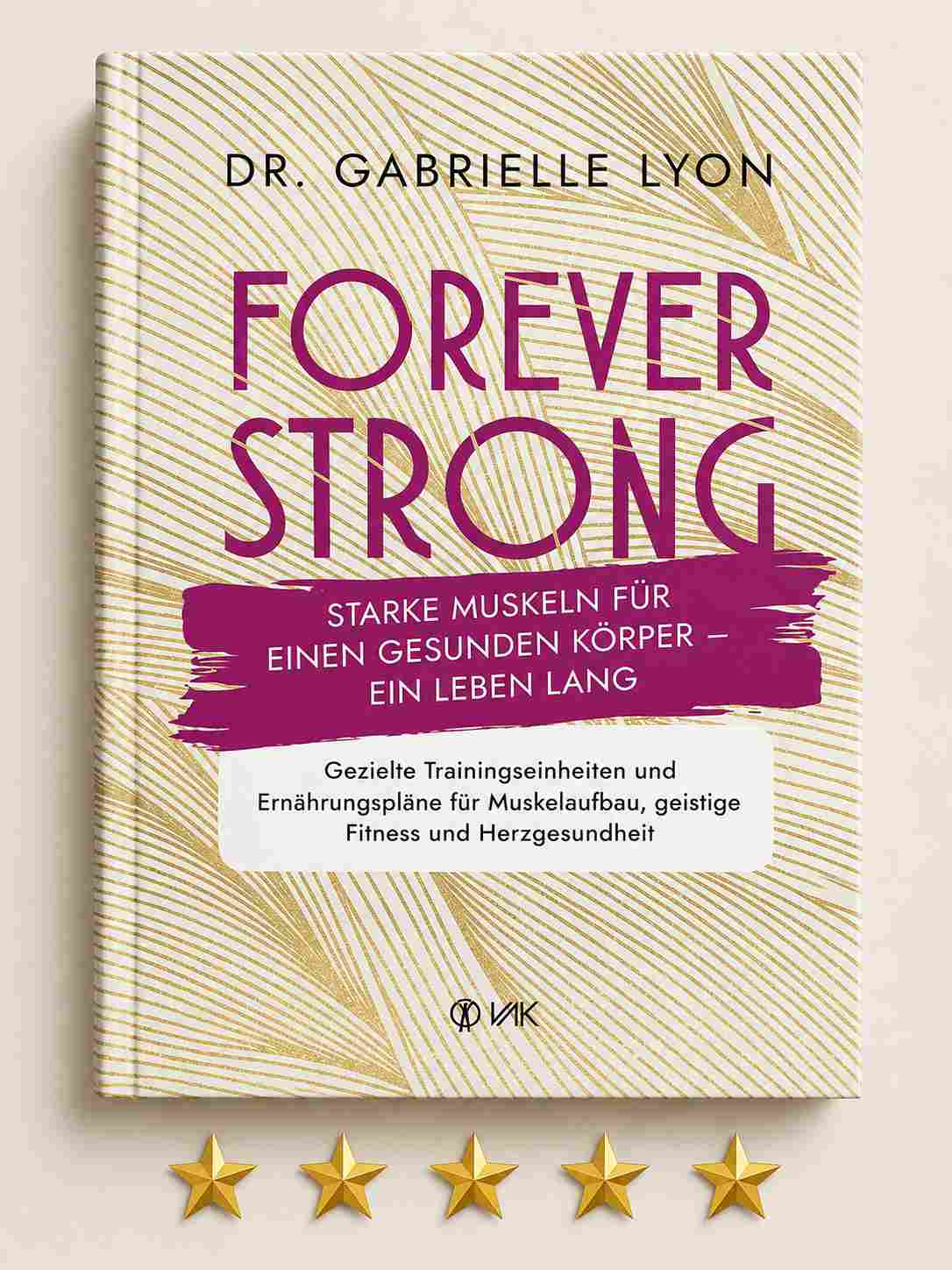
3. Forever Strong — Dr. Gabrielle Lyon
Why muscle mass is an investment in the future
Book 3 of 5
This book fundamentally changed my view of health. Gabrielle Lyon doesn't describe muscle as an aesthetic goal — she describes muscle as one of the most important organs for long-term health. And the more I engaged with this idea, the more sense it made.
Muscle influences metabolism and blood sugar regulation, supports bone health, provides more energy and resilience in everyday life, and is one of the most important factors for mobility and quality of life as we age. The book conveys strength over deprivation — it's not about eating as little as possible or being lean, but about building a resilient body that carries us for many years.
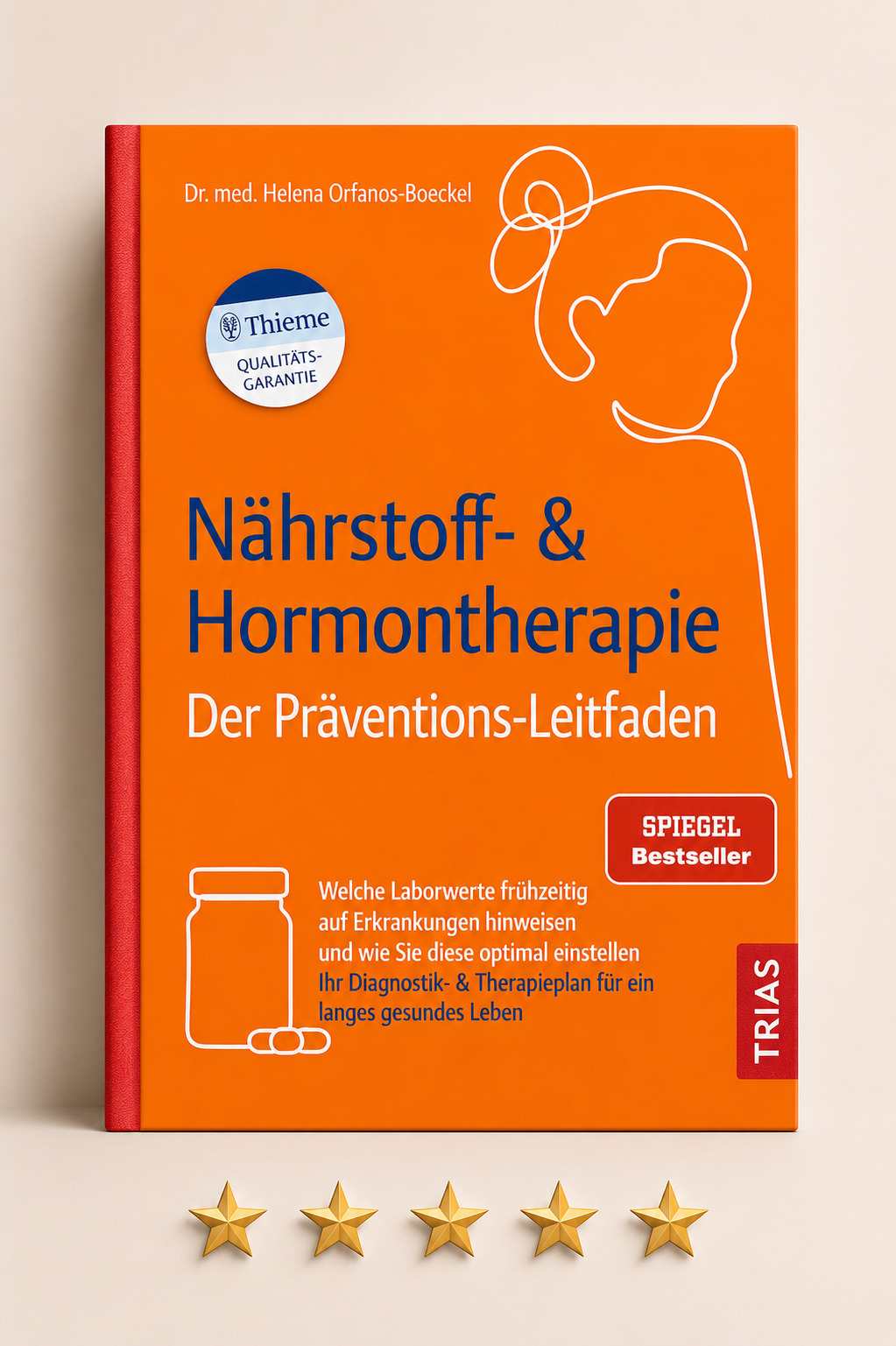
4. Hormone & Nutrition Therapy — Dr. med. Helena Orfanos-Böckel
For women who want to understand the connections
Book 4 of 5
This book particularly resonated with me because it views health as a whole. Many women experience complaints even though standard investigations show no clear cause. They feel exhausted, sleep worse, struggle with digestive issues or simply don't feel as resilient as before. Dr Helena Orfanos-Böckel doesn't look at these topics in isolation — but in context.
Hormones influence sleep. Sleep influences metabolism. The gut influences hormone processing. Stress acts on virtually every system in our body. The book covers micronutrients, hormone health, gut health, thyroid, metabolism and prevention — the better we understand these connections, the more precisely we can support our health.
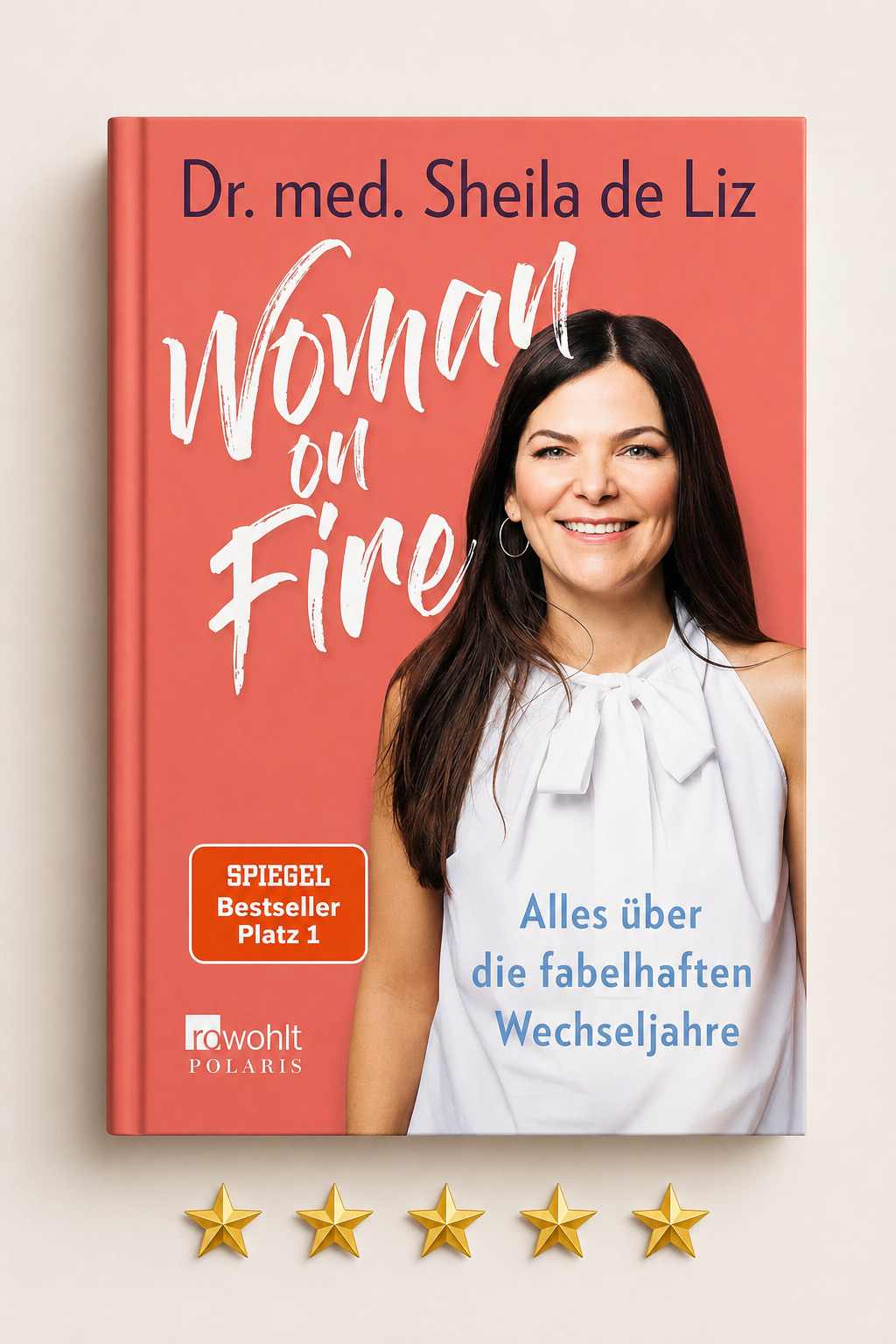
5. Woman on Fire — Dr. med. Sheila de Liz
The book that made menopause understandable
Book 5 of 5
For many women, Woman on Fire was the first book to speak openly and accessibly about menopause. For this reason alone it has earned a firm place on this list. Dr Sheila de Liz manages to convey medical knowledge in an understandable, warm and well-grounded way — which makes the book particularly accessible.
Many readers recognise themselves in the experiences described. They discover explanations for symptoms they had long been unable to place — about perimenopause, hormones, sleep disturbances, hot flushes and hormone replacement therapy. And they experience something that is particularly important in this life phase: relief.
If you only want to start with one book
All five books illuminate different areas of women's health. My personal recommendation:
- For the introduction Woman on Fire — Dr. Sheila de Liz
- For a deep understanding of menopause The New Menopause — Dr. Mary Claire Haver
- For training and physical strength Next Level — Dr. Stacy T. Sims
- For muscle health and healthy ageing Forever Strong — Dr. Gabrielle Lyon
- For prevention, nutrients and connections Hormone & Nutrition Therapy — Dr. med. Helena Orfanos-Böckel
The more I engaged with women's health, the clearer one insight became:
Health rarely begins with the perfect morning routine. It begins with understanding. With knowing why sleep has changed. Why muscle mass becomes more important. Why hormones affect far more than the cycle. And why many changes are not a weakness — but part of a new life phase.
These five books have permanently shaped my view of health — and help to understand one's own body better, recognise connections and make informed decisions.
Frequently Asked Questions
Which book do you recommend as a starting point for women over 35?
For a general introduction I recommend "Woman on Fire" by Dr Sheila de Liz — accessible, well-founded and available in German. Those who want to focus specifically on menopause will find "The New Menopause" by Mary Claire Haver particularly useful. Both books explain hormonal connections clearly without dramatising.
What makes "Next Level" by Stacy Sims so special?
"Next Level" is one of the few books that concretely explains why women over 40 should approach training differently from younger women. Stacy Sims shows how hormones, recovery and metabolism are connected — and why more cardio and less food is often not the solution, but intensifies the problem.
Who is "Forever Strong" by Gabrielle Lyon for?
"Forever Strong" is ideal for women who want to understand muscle mass for what it truly is: a protective organ for long-term health. The book provides scientifically grounded arguments for strength training and adequate protein — without extreme diets or self-optimisation pressure.
What does "Hormone & Nutrition Therapy" by Dr Orfanos-Böckel cover?
The book views health as a system: how hormones, sleep, gut, thyroid, micronutrients and metabolism are interconnected. Particularly valuable for women who experience complaints even though standard investigations show no clear findings — the book helps recognise connections and target countermeasures.
Do I need to read all five books?
No. Each book highlights a different focus. Start with the one that best matches what is currently occupying you most. One of them is enough to get the feeling: my body is not working against me — it is trying to tell me something.
Recommendations chosen with care
Some links in this article may be affiliate links. If you purchase a book through one of these links, I may receive a small commission — no additional costs arise for you. I only recommend books I have read myself or that I consider particularly valuable for women in midlife based on their scientific grounding and relevance. Your purchase supports FemBalance Living in continuing to provide high-quality content free of charge.
FemBalance Living · Guides
From reading to doing — with concrete protocols for your everyday life.
The FemBalance Guides translate insights from modern science into practical step-by-step protocols for women over 35. Sleep, cortisol, strength training, nutrition and hormonal balance — scientifically grounded, instantly available digitally.
Discover All Guides